|
|
||||||||
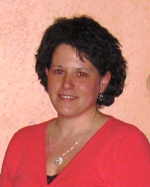
CANCER SURVIVOR TESTIFIES FOR HOUSE BILL 237Brandy Hickman, a two-year cancer survivor and James patient, testified at the Ohio Statehouse on March 10 in support of House Bill (HB) 237, also known as the “Cancer Patient Protection Bill.”
Hickman shared her story of the need to move from IV to oral treatment due to neuropathy complications and a recurrence of her breast cancer with liver and bone metastases. She noted an inequity in billing between IV-administered and oral chemotherapy, with the drugs in pill form being treated in the same category as normal prescription drugs. That means they are billed with the same percentages, resulting in far greater out-of-pocket expenses for the consumer. “Please support House Bill 237 so patients like myself will not have difficulty paying for their needed cancer medications,” Hickman said. “We firmly believe that the emergence of safe, clinically effective oral chemotherapy has significantly increased the treatment options for cancer patients,” says Jennifer Carlson, assistant vice president for government affairs at the OSUCCC-James, who notes that, according to the National Comprehensive Cancer Network (NCCN), some 400 anticancer medications are under development and about 25 percent of them are intended as oral anticancer medications that will be used to treat 52 types of cancer. “The most frequently prescribed oral medications are used to treat breast, ovarian, endometrial and uterine cancers, and multiple myeloma and other hematological malignancies,” Carlson says. “Oral chemotherapy provides several benefits to cancer patients resulting in improved quality of life. For example, it may allow administration of the drug on a daily basis, be more convenient for patients, reduce the need to drive long distances or schedule time away from work and family, and reduce the risk of infection or other complications of infusional therapies.” But Carlson says oral chemotherapy drugs can be very expensive for patients because these agents are generally covered under a prescription drug benefit rather than medical benefits. “The resulting out-of-pocket co-pays can be hundreds or thousands of dollars a month, effectively excluding them as an option for many patients,” she adds.
|
||||||||
|
||||||||

 Sponsored by Rep. Deborah Newcomb, D-Conneaut, HB 237 is the House companion to Senate Bill (SB) 133 sponsored by Sen. Karen Gillmor, R-Tiffin. The legislation would prohibit health plans from charging a higher co-payment, deductible or co-insurance amount for a prescribed, orally administered anticancer medication than what is required for an intravenously administered or injected cancer medication.


